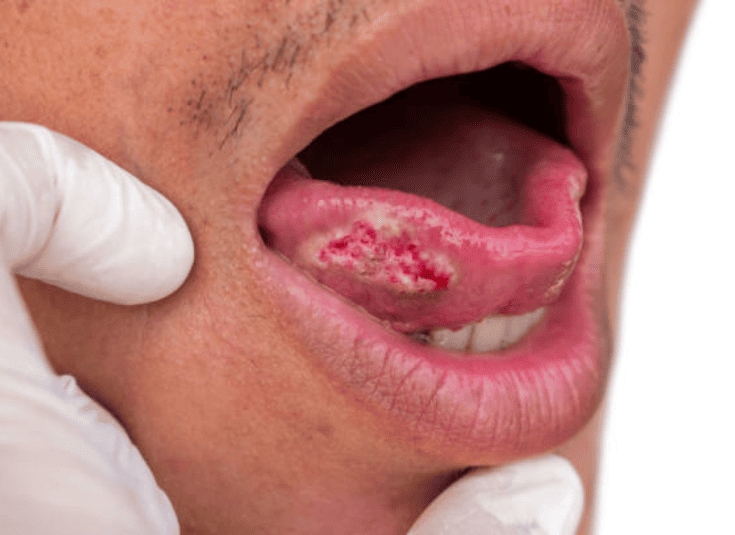
Transplant & Cancer-Related Infections
Personalized Treatment for Every Infection
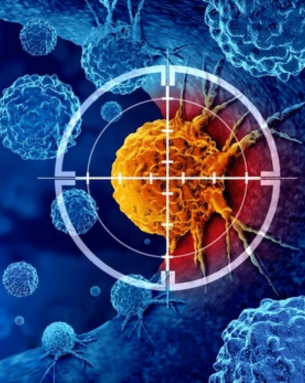
Infections in Transplant and Cancer Patients
Transplant recipients and cancer patients often face a higher risk of infections due to their weakened immune systems. Cancer treatments like chemotherapy, radiation, and immunotherapy can impair the body’s ability to fight off pathogens, making patients more susceptible to infections. Similarly, transplant patients who are on immunosuppressive medications to prevent organ rejection are at increased risk of infections. These infections can be bacterial, viral, fungal, or parasitic in nature, and can range from mild to life-threatening. Early detection and prompt treatment are essential to reduce complications and improve patient outcomes.
Preventing infections is a critical aspect of managing transplant and cancer patients’ health. Regular screenings, vaccinations, and strict hygiene protocols are vital in reducing infection risks. Cancer patients should undergo regular monitoring for infections throughout their treatment, while transplant patients require ongoing assessments of their immune function. Supportive therapies, such as prophylactic antibiotics and antifungal treatments, are often necessary to minimize the risk of developing infections. Transplant recipients are also advised to avoid contact with individuals who have contagious illnesses, especially during the first few months following surgery.
Prevention and Monitoring for Transplant & Cancer-Related Infections
Prevention and Monitoring for Transplant & Cancer-Related Infections
Preventing infections is a critical aspect of managing transplant and cancer patients’ health. Regular screenings, vaccinations, and strict hygiene protocols are vital in reducing infection risks. Cancer patients should undergo regular monitoring for infections throughout their treatment, while transplant patients require ongoing assessments of their immune function. Supportive therapies, such as prophylactic antibiotics and antifungal treatments, are often necessary to minimize the risk of developing infections. Transplant recipients are also advised to avoid contact with individuals who have contagious illnesses, especially during the first few months following surgery.
Long-Term Care and Support for Cancer and Transplant Patients
After cancer treatment or a transplant, patients require continuous care to ensure optimal recovery and long-term health. Regular follow-up appointments are essential to monitor immune function and detect any signs of infection early. Nutritional support is also a critical aspect of long-term care, as proper nutrition helps strengthen the immune system. For transplant patients, managing the balance between immunosuppressive therapy and infection prevention is a delicate task. Cancer survivors may also face long-term complications, including chronic infections, and require specialized care to ensure their immune system remains strong and capable of combating potential threats.
Infections Cancer Patients Can Face
Targeted Treatment for Cancer-Related Infections

- Increased risk of opportunistic infections
- Respiratory infections like pneumonia and bronchitis
- Urinary tract infections (UTIs)
- Skin and soft tissue infections
- Fungal infections such as candidiasis
Understanding Cancer Treatment and Infection Risks
Managing Risks of Infection in Cancer Care
- Cancer treatments weaken the immune system
- Chemotherapy and radiation increase infection susceptibility
- Bone marrow suppression leads to lower white blood cell count
- Prolonged hospital stays increase exposure to infections
- Surgical procedures raise risk of wound infections
- Immunotherapy can alter the body’s ability to fight infections
- Poor nutritional status affects immune function

Expert Management of Infections in Cancer and Transplant Patients
Specialized Care for Cancer and Post-Transplant Infections

- Early detection of infectious complications
- Tailored treatment for immunocompromised patients
- Infection control during cancer treatments
- Comprehensive support throughout the recovery
- Minimizing infection risks post-transplant
Why Choose Us?
Your Trusted Health Partner
- Expertise in managing complex infectious diseases
- Comprehensive care for fever and infections
- Personalized treatment plans for fast recovery
- Compassionate care with a patient-focused approach

Our Expert Doctors
About Doctor

Media Pictures